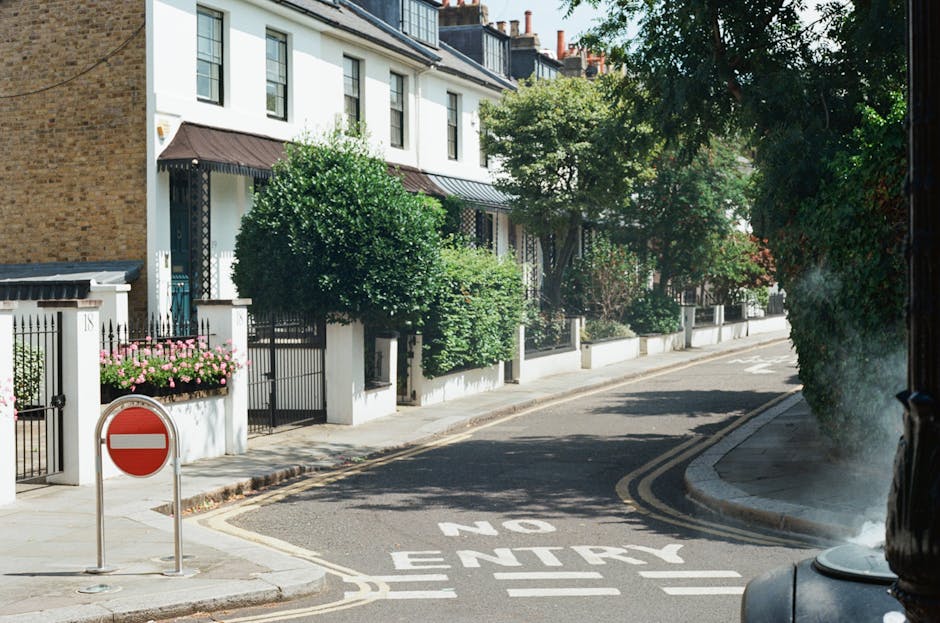
Common problems with driveway access for Staines gardeners
If you have ever watched a gardener arrive, step out, look at the driveway, then pause for a second too long, you already know the issue. Common problems with driveway access for Staines gardeners are rarely dramatic on their own, but they can slow work down, create awkward logistics, and turn a simple visit into a bit of a shuffle. In Staines, where homes range from compact terraces and tight side returns to larger plots with shared drives, access is often the hidden detail that makes the whole job easier or harder.
This guide breaks down the practical problems, why they matter, and what gardeners, homeowners, and property managers can do to keep things moving. It also covers the small but important things people forget: vehicle turning room, surface protection, neighbour access, waste removal, and timing. Nothing flashy. Just the stuff that saves time and stress.
For readers planning wider outdoor work, it can also help to look at related services such as garden maintenance, garden clearance, and landscaping, because driveway access often affects all of them in one way or another.
Quick takeaway: the best driveway access is not just about getting a van onto the property. It is about turning space, safe unloading, protecting surfaces, keeping neighbours happy, and making sure the work can actually be completed without avoidable delays.
Table of Contents
- Why driveway access matters
- How driveway access issues affect garden work
- Key benefits of getting access right
- Who this is for and when it makes sense
- Step-by-step guidance
- Expert tips for better results
- Common mistakes to avoid
- Tools, resources and recommendations
- Law, compliance, standards and best practice
- Options, methods and comparison
- Case study or real-world example
- Practical checklist
- Conclusion
- Frequently Asked Questions
Why Common problems with driveway access for Staines gardeners Matters
Driveway access sounds like a minor logistics issue until the first wheelbarrow has to be hauled across a narrow path, the van cannot get close enough to unload, or a hedge cut produces more waste than the available parking will comfortably handle. Then it becomes the whole job.
For gardeners in Staines, access problems matter because many tasks depend on short, efficient movement between vehicle and work area. Hedge trimming creates green waste. Lawn mowing needs equipment. Clearance work often involves bags, branches, and repeated trips. Even light maintenance can become fiddly if the route in is awkward or blocked.
There is also a customer-experience side to it. If the drive is difficult, the appointment can start late, run over, or require adjustments on the fly. That is never ideal for the gardener, and it is rarely what the client had in mind either. To be fair, most people only notice access after something has gone wrong.
In Staines, access issues can be especially noticeable where properties have:
- short or narrow driveways
- shared entrances with neighbouring homes
- sloped or uneven surfaces
- parking pressure on residential streets
- gated front gardens or side entries
- low overhead branches or boundary planting
For jobs involving heavier work, such as tree-related access or bigger clearance projects, these problems can be even more pronounced. In those situations, a service like tree lopping and removal or a fuller services overview may be useful to understand the access implications before anyone arrives on site.
How Common problems with driveway access for Staines gardeners Works
At a practical level, driveway access affects three things: arrival, movement, and departure.
Arrival is about whether a van or trailer can reach the property safely and whether the crew can unload without blocking the road, a neighbour's entrance, or the pavement. Movement is about the route from driveway to garden and whether equipment can be moved without damage or excessive lifting. Departure is about waste removal, re-loading tools, and leaving the site tidy without a last-minute bottleneck. Simple enough on paper. Less simple in real life.
One common issue is the mismatch between the size of modern work vehicles and the width of domestic access. A driveway may technically exist, but if the turning circle is tight or the kerb approach is awkward, a van might have to remain on the street. That can still work, but it usually adds time and makes loading more cumbersome.
Another common issue is surface vulnerability. Decorative block paving, gravel, older tarmac, or soft edging can be damaged by repeated foot traffic, trolley wheels, or heavy bags. Even a small issue, like wet moss or a thin layer of leaf mulch, can make the route slippery. On a damp Staines morning, that can get messy quickly. You know the kind of day.
Gardeners also have to think about waste flow. A trim or clearance job generates cuttings, branches, soil, pots, and general debris. If bins are at the front but the pile-up needs to be carried to the rear, the whole process becomes a relay race. Not impossible, just inefficient.
Typical access pinch points
- cars parked too close to the entrance
- shared driveways with limited passing room
- gates that open inward and reduce manoeuvring space
- steps, raised thresholds, or narrow side passages
- overgrown hedging narrowing the driveway edge
- bin storage or bikes creating obstacles
These are small details individually. Combined, they can change how a gardener plans the whole visit.
Key Benefits and Practical Advantages
Getting driveway access right is not just about convenience. It brings real practical benefits that clients often notice after the fact.
First, it reduces wasted time. When equipment can be unloaded near the work area, the team spends less energy on shuttling tools back and forth. That means more time on the actual gardening.
Second, it lowers the risk of damage. Better access means fewer scraped walls, fewer scuffed surfaces, and less chance of dragging soil or cuttings across patios and paths. It also helps protect plants near the access route.
Third, it makes communication easier. If everyone can see the route in and out, there is less confusion about where waste goes, where to park, and where to keep finished materials. Honestly, a lot of stress disappears just from agreeing that up front.
Fourth, it improves safety. A clear access route reduces trips, slips, and rushed lifting. That matters when moving bags, ladders, cutters, or larger branches.
Fifth, it supports better results. A gardener who is not constantly navigating obstacles can work more neatly and carefully. That often shows in the finished job, even if the client never sees the behind-the-scenes effort.
There is a knock-on benefit too: clearer access can make it easier to schedule recurring work such as lawn mowing, hedge care, or routine garden maintenance. Once the logistics are sorted, repeat visits become much smoother.
Who This Is For and When It Makes Sense
This topic matters to a surprisingly wide group of people. If you are a homeowner, landlord, letting agent, property manager, or gardener working in Staines, driveway access affects you more often than you might think.
It makes particular sense if your property has one or more of the following:
- a short driveway where vans cannot fully park off-road
- a shared access route with another household
- limited frontage and no turning space
- an older property with narrow side access
- a front garden that has become partially blocked by planting
- recent landscaping changes that altered the route to the rear garden
It is also relevant if you are planning work that creates bulky green waste or needs multiple tools. For example, a one-off tidy-up is one thing. A heavier job involving clearance, pruning, or structural changes is another. A project that begins as a simple trim can quickly grow legs if the access route is poor.
In our experience, the people who benefit most from thinking about access early are the ones who want the job done in one visit, with fewer surprises. That sounds obvious, but let's face it, it is easy to overlook until the day of the appointment.
Step-by-Step Guidance
If you want fewer access headaches, a little preparation goes a long way. Here is the simple way to handle it.
- Walk the route from street to garden. Check gates, side returns, steps, corners, and any tight spots that might affect movement with tools or waste bags.
- Measure the obvious pinch points. You do not need a surveyor's kit. Just note whether a van door, wheelbarrow, mower, or long branch could pass comfortably.
- Move cars, bins, bikes, and loose items. A driveway can look perfectly usable and still be blocked by something small. The little stuff often causes the biggest delays.
- Check surface condition. Wet leaves, algae, loose gravel, and standing water can make access harder and less safe.
- Look at overhead and boundary obstacles. Low branches, trailing climbers, and awkward gates can all slow down entry and exit.
- Plan waste staging. Decide where cuttings, branches, or bagged waste should be placed before collection or removal.
- Confirm parking and unloading preferences in advance. If a gardener cannot get onto the driveway, they may need street parking or a different unloading setup.
A small pre-visit note can save a lot of faff. Even one message describing the driveway, gate width, or whether the front drive is free can change the day for the better.
If the job includes larger access or a more involved garden redesign, it can be sensible to combine the plan with landscape gardening or broader landscaping work so the route itself is improved, not just worked around.
Expert Tips for Better Results
A few small habits make a big difference. These are the sorts of things that experienced gardeners quietly appreciate.
1. Keep the access line as straight as possible
The fewer turns between van, driveway, and garden, the easier the day tends to go. If you can create a direct route for tools and waste, do it.
2. Protect delicate surfaces before the heavy lifting starts
Where driveways are decorative, newly surfaced, or prone to staining, use suitable protection under bins, wheelbarrows, or bags. It is much easier to prevent scuffs than to explain them later.
3. Treat waste as part of the access plan
People often focus on tools and forget the waste. But a hedge trim can leave a surprising pile of clippings, and a tree or clearance job can create awkward, thorny loads. If waste has to be carried through a narrow section, plan for that from the start.
4. Be honest about what the driveway can handle
If the access is tight, say so. A realistic setup is always better than a hopeful guess. There is no prize for pretending a bulky van will fit where it plainly will not. Well, unless you count a headache.
5. Watch timing around neighbours and street parking
In busy Staines streets, access can change throughout the day. School run hours, bin collection days, or the arrival of other vehicles can all alter what works. A morning slot may be easier than late afternoon in some locations.
6. Keep regular access notes for repeat visits
If you have recurring garden work, store a few notes: gate width, parking options, where waste is usually stacked, and whether there is any awkward corner. That sounds dull, but it pays off.
For properties that need repeated trimming or larger vegetation management, related services like hedge trimming and tree lopping and removal can be planned more efficiently when the access route is already understood.
Common Mistakes to Avoid
Most driveway access problems are not caused by major failures. They are caused by small assumptions.
- Assuming the van will fit. A driveway may suit a car but still be a poor fit for a work vehicle.
- Leaving cars in place. It sounds obvious, yet it is one of the most common delays.
- Ignoring neighbour access. Shared driveways need a bit of courtesy and a bit of planning.
- Not clearing loose obstacles. Plant pots, hoses, toys, and bins have a way of becoming major barriers.
- Forgetting about waste volume. The entrance may be fine for arrival and still awkward for exit.
- Overlooking wet or slippery surfaces. Morning dew and shaded driveways can be enough to create a slip risk.
- Not mentioning narrow gates or steps beforehand. Those little details matter more than people expect.
Another easy mistake is to think the garden access and driveway access are the same thing. They are not. The drive might be clear, but a narrow side alley, locked gate, or raised threshold can still be the real issue.
Tools, Resources and Recommendations
You do not need a warehouse of equipment to manage access well, but a few practical items help.
| Item | Why it helps | Best used for |
|---|---|---|
| Wheelbarrow or garden trolley | Reduces repeated lifting and speeds waste movement | Clippings, soil, bags, small branches |
| Surface protection sheets or boards | Helps protect delicate driveways from scuffs and stains | Decorative paving, fresh tarmac, sensitive paths |
| Compact hand tools | Easier to move through tight spaces than bulky kit | Small gardens, narrow side access |
| Heavy-duty bags or bins | Keeps waste contained and easier to move | Trims, leaves, light clearance |
| Portable lighting if needed | Useful where access is shaded or work runs into evening | Dim side returns, winter jobs |
For planning and budgeting, it can also help to review pricing and quotes information before agreeing a job, especially if the access setup might affect labour time or waste handling.
And if you are doing broader property improvements, a package that includes garden clearance or more general garden maintenance can be easier to manage than a series of separate visits. Less back and forth, fewer moving parts.
Law, Compliance, Standards and Best Practice
This subject is mostly practical rather than legal, but there are still important standards of care.
Anyone working on a property should take reasonable steps to protect people, vehicles, and surfaces from avoidable harm. That includes safe loading, sensible route planning, and making sure access is not creating trip hazards or blocking emergency routes. On shared properties, good communication matters. On private driveways, clear permission and expectations matter just as much.
If equipment or vehicles are being used, it is also sensible to follow the provider's health and safety processes. A company with a clear health and safety policy and insurance and safety information is usually a better bet than someone who waves away every concern with "should be fine." Fine, until it is not.
For customers, the best practice is straightforward:
- be accurate about access limitations
- tell the gardener about shared driveways or parking restrictions
- keep access routes free where possible
- ask how waste will be handled
- agree any special precautions for surfaces or boundaries
Good access planning is also part of professional customer care. If there is a disagreement or issue later, a clear complaints procedure should exist, but honestly, the better outcome is to prevent the issue before work starts.
Options, Methods and Comparison Table
There is no single right way to handle driveway access. The best method depends on the property and the job.
| Access method | When it works well | Limitations |
|---|---|---|
| Direct driveway unloading | Wide drive, short walk to the garden, easy turning | Not possible on narrow or heavily parked drives |
| Street parking with manual carry-in | Dense streets, short jobs, limited frontage | Slower, more labour, depends on parking availability |
| Shared access coordination | Terraces, semi-detached homes, common entrances | Requires communication and timing |
| Staged waste collection | Clearance or trimming jobs with bulky waste | Needs a suitable temporary storage area |
| Pre-cleared access route | Gardens with obstacles, toys, bins, or stored items | Needs homeowner preparation before arrival |
For many Staines homes, the best answer is a hybrid one. Park nearby, unload strategically, keep the route short, and avoid making a narrow situation harder than it already is. That is usually the sweet spot.
Case Study or Real-World Example
A typical example would be a semi-detached property with a shared driveway and a rear garden reached through a side gate. The drive is long enough for a car but not ideal for a larger work van. There is also a wheelie bin stored partway down the access route, plus a small cluster of pots right by the gate.
On paper, it seems manageable. In practice, the van parks on the road, tools are carried in by hand, the gate only opens properly when the bin is moved, and the surface becomes slippery because the side return stays damp in the shade. Nothing impossible, just slower.
The solution is rarely dramatic. The homeowner clears the access line the night before. The gardener is told in advance that street parking will be needed. Waste is placed in heavy-duty bags near the gate for quicker removal. A small board protects the most worn section of paving. The job runs much more smoothly, and nobody spends the afternoon improvising.
That is really the heart of it. Access planning does not need to be complicated. It just needs to be done.
Practical Checklist
Use this quick checklist before the next garden visit.
- Is the driveway wide enough for the vehicle or unloading point?
- Are cars, bins, bikes, or toys moved out of the way?
- Is the gate openable without awkward squeezing or damage?
- Are there low branches, climbers, or overhead obstacles?
- Is the surface safe if it is wet, mossy, or gravelled?
- Is there a clear route for wheelbarrows, bags, or tools?
- Have neighbours been considered where access is shared?
- Is there enough space to store waste temporarily?
- Has the gardener been told about any steps, slopes, or tight corners?
- Have any fragile surfaces been protected if needed?
If you can answer yes to most of those points, you are in a much better place than average. If not, a few minutes of prep will usually save a lot more time later.
Conclusion
Driveway access is one of those garden details that quietly shapes the whole experience. When it works well, nobody thinks about it. When it does not, every trip, every bag, and every awkward corner starts to matter. For Staines gardeners and the people who hire them, the smart move is simple: plan the route, clear the space, and treat access as part of the job rather than an afterthought.
That approach protects surfaces, saves time, reduces stress, and makes the work feel smoother from start to finish. And in a town where homes and driveways vary so much, that little bit of planning can make a genuine difference. Not glamorous, perhaps, but very effective.
Get a free quote today and see how much you can save.
If you are reviewing your garden plans and want to understand how access might affect the work, it can help to speak with a team that treats logistics seriously. A good start is to learn more about the company through about us or review the available services overview before you decide what needs doing next.
Frequently Asked Questions
What are the most common driveway access problems for gardeners in Staines?
The most common issues are narrow driveways, blocked entrances, shared access, limited turning space, and awkward routes from the front of the property to the garden. Wet surfaces and poor parking arrangements also come up often.
Why does driveway access matter so much for garden work?
Because a lot of the job depends on moving tools, cuttings, and equipment in and out efficiently. Poor access adds time, increases the chance of damage, and can make the work harder than it needs to be.
Can a gardener still work if the van cannot fit on the driveway?
Yes, often they can. The work may just need to be done with street parking, shorter carries, or a different unloading plan. It is still worth telling the gardener in advance so they can prepare properly.
How should I prepare my driveway before a garden visit?
Move cars, bins, bikes, loose pots, and anything else that narrows the route. If possible, make sure the gate opens fully and the path from driveway to garden is clear.
What if my driveway is shared with a neighbour?
Shared driveways need a bit of coordination. It helps to let neighbours know about the visit, avoid blocking their side, and agree where vehicles or waste should be placed.
Do access problems affect the cost of garden work?
They can. Difficult access may increase the time needed for carrying tools or clearing waste. The exact impact depends on the job, so it is best discussed openly before work begins.
Is poor driveway access a safety issue?
It can be. Tight spaces, slippery surfaces, awkward lifting, and blocked routes all raise the chance of trips or surface damage. That is why access planning is part of good site safety.
Should I mention narrow gates or side passages when asking for a quote?
Absolutely. Those details can make a big difference to how the job is planned. A quick description now can prevent delays later.
What kind of jobs are most affected by driveway access problems?
Jobs that produce a lot of waste or use larger equipment are the most affected. That includes hedge trimming, garden clearance, tree work, and some landscaping tasks.
How can I protect my driveway from damage during garden work?
Keep the route clear, avoid dragging heavy items across it, and use suitable protection where surfaces are delicate. If the driveway is newly surfaced or decorative, mention that before the visit.
What should I do if access becomes blocked on the day?
Stay flexible and let the gardener know straight away. Sometimes the route can be adjusted, vehicles can be repositioned, or waste can be staged differently. A calm fix is usually better than a rushed one.
Where can I find more information about the company's working standards?
You can review the company's health and safety policy, insurance and safety information, and recycling and sustainability approach for a clearer picture of how work is handled.
A little clarity at the driveway can make the whole garden feel easier. Sometimes that is all it takes.