Booking gardeners for Staines flats with limited access
If you live in a Staines flat and the garden, balcony planter area, shared courtyard, or ground-level strip is awkward to reach, getting the work done can feel more complicated than it should. Booking gardeners for Staines flats with limited access is really about making the job practical: getting the right team, the right tools, and the right timing so nobody is wrestling with stairwells, tight gates, or a neighbour's parked car at the worst possible moment.
That sounds simple. In reality, access issues can turn a quick tidy-up into a small logistical puzzle. The good news is that it is a puzzle gardeners deal with all the time. With a bit of planning, the process becomes straightforward, safe, and far less disruptive for residents, managing agents, and neighbours alike.
This guide explains how the booking process works, what to check before confirming a visit, which services are best suited to restricted access, and how to avoid the common headaches that tend to pop up in flats. You will also find a checklist, a comparison table, and a practical example so you can make a confident decision without overthinking it.
Why Booking gardeners for Staines flats with limited access Matters
Flat gardens, communal courtyards, roof terraces, side passages, and small rear plots all come with their own quirks. In Staines, that often means narrow access routes, shared entrances, controlled parking, and the usual awkward bits that make people mutter, "This would be easy if it were just a house."
That is exactly why booking gardeners with limited-access experience matters. A standard maintenance visit can quickly go wrong if the team arrives with the wrong equipment, cannot move waste easily, or has not been told about stair-only access, coded gates, or quiet-hours expectations. The result is usually delay, extra stress, and sometimes extra cost.
For flats, access is not a side issue. It is part of the job. The more clearly you plan it, the more likely you are to get neat results without the "sorry, we'll need to reschedule" conversation nobody wants.
Practical takeaway: for restricted-access flats, the best bookings are the ones where access details are discussed before the first visit, not after the crew is standing outside the building.
It also helps to think about the type of work involved. Regular garden maintenance or lawn mowing is usually easier to plan than heavier jobs like clearance, shrub reduction, or waste removal. If the space is badly overgrown, a one-off garden clearance may be the smarter starting point before moving onto a tidy maintenance schedule.
How Booking gardeners for Staines flats with limited access Works
The booking process is less about formalities and more about giving the gardener enough information to plan properly. A good provider will usually want to know what type of outdoor space you have, how they can reach it, what tools can realistically be brought in, and whether waste can be carried out easily.
For a flat, that might mean describing the access in plain English: "shared side passage with one narrow gate," "first-floor terrace accessed via stairs only," or "communal garden behind a locked entrance with resident permit parking nearby." That is the sort of detail that saves everyone time. Truth be told, it saves a few headaches too.
In many cases, a gardener will ask for photos. That is not nosiness. It is useful. A couple of clear pictures can show the width of the path, the condition of the area, whether there are steps, and what equipment will be needed. It also helps with quoting, especially where moving cuttings, soil, or green waste might be awkward.
If the work is part of a wider upgrade, such as reshaping planting beds or refreshing tired communal areas, it may make sense to look at landscape gardening or broader landscaping support rather than just a one-off tidy. That depends on the space, of course, and how much access the site can actually support.
The booking itself often follows a familiar pattern:
- You explain the space and the access constraints.
- The gardener assesses the likely work and any risks.
- A quote or estimate is provided.
- A visit is scheduled around access windows and resident convenience.
- The team arrives with the right kit and completes the work safely.
Simple enough, but the details matter. Especially in flats, where one missing key fob or blocked stairwell can throw the whole morning off.
Key Benefits and Practical Advantages
The obvious benefit is convenience. You get the outdoor area maintained without needing to organise every technical detail yourself. But there are some less obvious advantages too.
- Cleaner, safer access planning: the team can plan around stairs, shared entries, and narrow routes before arriving.
- Less disruption for neighbours: proper scheduling reduces noise, traffic issues, and repeated comings and goings.
- Better results: if the gardener knows access limits, they can choose the right tools and working method from the start.
- Less risk of damage: tight spaces and communal areas need careful handling, especially with bags, trimmers, ladders, or wheelbarrows.
- More accurate quotes: clear access information tends to produce more realistic pricing and fewer surprises later.
There is also a practical benefit that people sometimes overlook: consistency. A flat garden or communal planting area can look a bit neglected very quickly if it is hard to reach. A regular schedule, even a modest one, keeps things under control. Once things slip, they tend to slip fast. Leaves pile up. Paths become slippery. A small mess grows into a larger one. We all know how that goes.
For residents who want a manageable outdoor space rather than a constant project, routine visits through services overview thinking are often better than sporadic "when it gets bad enough" bookings. That is where maintenance really earns its keep.
Who This Is For and When It Makes Sense
This topic is relevant for a fairly broad group, not just people with tiny courtyards. If your outside space is part of a flat, apartment block, converted building, or managed development, access planning probably matters more than you think.
It makes sense if you are:
- a leaseholder with a small private garden behind a flat
- a tenant responsible for keeping a patio or terrace tidy
- a managing agent arranging upkeep for a shared space
- a landlord preparing a flat for new occupants
- a residents' association maintaining communal planting or pathways
- someone with mobility limits who needs the work handled efficiently and respectfully
It is also a good fit when the area needs more than the occasional sweep. Overgrown hedging, uneven grass, invasive weeds, or forgotten planters are all common in flats where access is inconvenient. If there are shrubs blocking windows or shared paths, a more targeted service such as hedge trimming or even tree lopping and removal may be required, depending on the scale and the safety implications.
And sometimes the answer is not a one-off at all. Some flat owners just want a dependable, periodic tidy so the space never becomes a problem. Fair enough. That is often the most stress-free route.
Step-by-Step Guidance
If you want the booking process to go smoothly, the best approach is to treat access as part of the job brief. Not an afterthought.
1. Describe the space clearly
Start with the basics: what kind of outdoor area it is, where it sits, and how big it feels in practice. A small terrace accessed through the building may need a very different approach from a communal patch behind a block. Be honest about the shape and condition. If the gate sticks or the steps are steep, say so.
2. Explain the access route
Note whether the gardener must use stairs, a lift, a narrow passage, a shared hallway, or a rear entrance. Mention any access codes, keys, concierge arrangements, restricted parking, or permit requirements. This is one of those moments where too much information is better than too little.
3. Share photos if possible
Photos make everything easier. A few mobile images taken in daylight can help the gardener assess what is realistic. Try to show the whole route, not just the garden itself.
4. Confirm what needs doing
Is it grass cutting, weed removal, pruning, green waste removal, planting refresh, or general tidy-up work? Being specific helps the gardener bring the right tools. If you are not sure, say that too. A decent professional can usually help you prioritise.
5. Ask how waste will be handled
Waste removal is a big issue in restricted-access flats. Bags may need to be carried through shared areas, and there may be limits on where waste can be stored temporarily. If recycling or sustainability is important to you, ask about responsible disposal. For many residents, that point matters more than people admit. It just does.
6. Agree the timing
Choose a slot that suits the building. Mid-morning often works well because people have left for the day and there is enough daylight to work safely. For some buildings, early starts are a no-go. In others, access windows are narrow. Plan around the building, not just your own diary.
7. Confirm the quote and visit terms
Before you accept, make sure the quote reflects the real access conditions. If the garden sits far from the vehicle or waste has to be carried down multiple flights, that should be factored in. It is better to clarify this early than to argue about it later.
If you want to compare broader pricing and request clearer estimates, the pricing and quotes page is a sensible place to start. And if the space is genuinely awkward, the provider's about us information can help you judge whether they work in a careful, customer-first way.
Expert Tips for Better Results
After a while, you notice that the best outcomes usually come from small, sensible habits. Nothing flashy. Just good planning.
- Take measurements where you can. A gate width or stair count can save guesswork.
- Leave the route clear. Bins, bikes, pushchairs, and storage boxes are the usual culprits.
- Tell neighbours if needed. A quick heads-up can make access smoother and reduce complaints.
- Be realistic about the first visit. If the area has been neglected for months, a reset visit may be needed before regular upkeep begins.
- Ask about insurance and safety. This is especially important in shared spaces and common areas.
- Group tasks together. If the gardener is already on site, it can be efficient to combine mowing, trimming, and clearance where appropriate.
One thing worth saying plainly: not every garden job is meant to be squeezed into the smallest possible visit. Trying to force a heavy clearance into a tiny window is where mistakes happen. Better to do it properly, even if that means splitting the work into stages.
If your flat has communal features like decking, raised planters, or a terrace edging detail, it may be worth asking whether related work can be coordinated with decking services or more structured landscape gardening support. That can make maintenance much easier later on.
Common Mistakes to Avoid
Most access problems are avoidable. The tricky part is remembering that the trouble often starts before the gardener arrives.
- Assuming access is obvious: what looks clear to you may be baffling to someone visiting for the first time.
- Leaving out parking details: a van parked legally but too far away can still affect the job.
- Underestimating waste removal: cuttings and bags need a route out, not just a place to pile up.
- Booking the wrong type of service: a tidy-up is not the same as a clearance job.
- Ignoring shared-space etiquette: in flats, noise, timing, and route planning matter more than they do for houses.
- Not checking safety details: ladders, tools, and carrying routes must be suitable for the space.
A surprisingly common issue is simply hoping the gardener will "sort it when they get here." Sometimes they can. Sometimes they cannot. And when they cannot, everyone ends up doing a slightly awkward dance in the hallway. Not ideal.
If the site has a lot of overgrowth, blocked corners, or messy communal edges, it may be better to start with a proper garden clearance before setting up a lighter maintenance plan. That tends to be far less frustrating in the long run.
Tools, Resources and Recommendations
You do not need specialist gear to book a gardener for a limited-access flat, but a few simple tools help a great deal.
- A few clear photos: useful for quotes and access checks.
- Basic measurements: gate width, stair count, terrace size, or rough walking distance.
- Access notes: codes, keys, concierge contact, parking details, and time restrictions.
- A short task list: what needs doing now, and what can wait.
- Waste plan: where cuttings will go and how they will leave the site.
From a service perspective, it helps to choose a provider that is transparent about safety, payment, and customer expectations. The most useful pages to review are usually the ones covering insurance and safety, health and safety, payment and security, and recycling and sustainability. That does not sound glamorous, but it tells you a lot about how a company works.
For ongoing upkeep, a regular schedule often makes more sense than occasional rescue work. In a flat setting, that tends to keep costs and disruption steadier too.
Law, Compliance, Standards, or Best Practice
For flat gardens and shared access areas, the main concern is not usually a single dramatic rule. It is the combination of common-sense safety, building management requirements, and standard UK working practice.
In practical terms, a gardener should work in a way that is safe for residents, visitors, and themselves. That generally means checking access routes, avoiding unnecessary obstruction, using suitable tools for the space, and handling waste carefully. If tools or tasks involve ladders, sharp equipment, or heavy cuttings, the risk level rises quickly. There is no magic to it.
Where the work takes place in communal areas, it is sensible to respect building rules, quiet hours, fire routes, and any arrangements set by the landlord or managing agent. If there is a residents' noticeboard or access procedure, follow it. If the building has specific instructions, make those clear before booking.
Good practice also means being careful with insurance and liability. In shared buildings, accidents can affect more than one household, so it is reasonable to ask whether the gardener operates with suitable cover and whether the work will be done with proper care around walls, doors, windows, and flooring.
If your building has accessibility concerns, or if the route is not suitable for someone carrying heavy equipment, that should be recognised early rather than treated as a nuisance. It is simply part of the job planning. On a practical level, that is what separates a smooth visit from a messy one.
For company-level policies and wider trust signals, the pages on accessibility, complaints procedure, terms and conditions, and privacy policy can also help you understand how a provider handles customer information and service expectations. Plainly put, the boring pages are often the reassuring ones.
Options, Methods, or Comparison Table
Different flat situations call for different approaches. Here is a straightforward comparison to help you choose the right setup.
| Approach | Best for | Pros | Watch-outs |
|---|---|---|---|
| One-off tidy-up | Light mess, seasonal refresh, quick reset | Simple to arrange, usually faster to complete | Can be less cost-effective if repeated often |
| Regular maintenance | Communal spaces, busy courtyards, small private flat gardens | Keeps access routes and planting under control | Needs a realistic schedule and consistent access |
| Clearance first, maintenance later | Overgrown or neglected areas | Removes the backlog and creates a better starting point | Usually more labour-heavy at the beginning |
| Combined service visit | Sites needing mowing, trimming, and general tidy-up together | Efficient if the gardener can move safely through the space | Requires good planning and clear access notes |
If the outside area needs a broader refresh, you might combine gardening with landscaping or, where relevant, more visible structure work such as decking services. That is not always necessary, but it can be helpful for flat owners who want a cleaner, easier-to-manage layout.
Case Study or Real-World Example
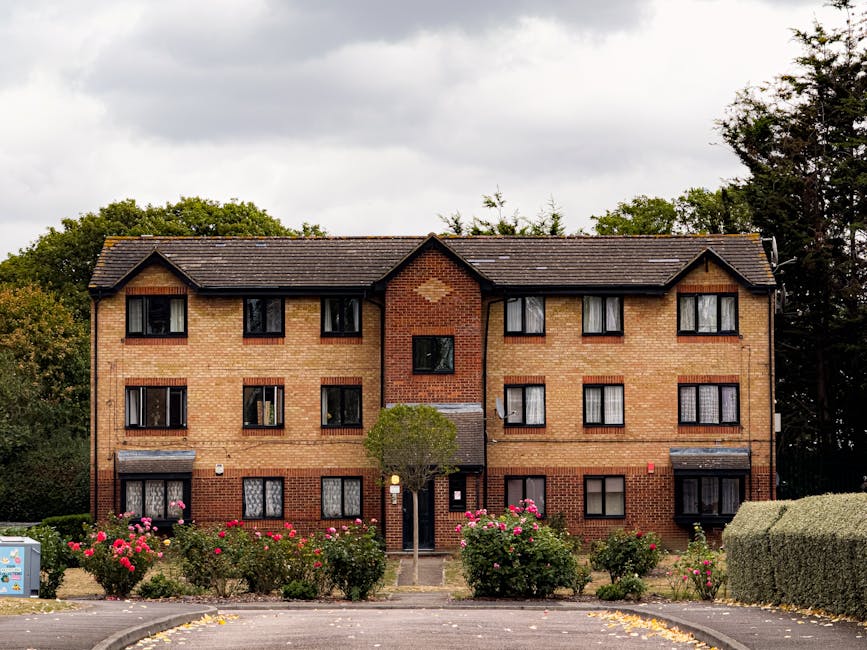
Picture a small Staines apartment block with a rear communal garden reached through a narrow side gate. There is no vehicle access to the garden itself, only a short carry from the street. The space has a patch of lawn, several overgrown shrubs, and a border that has started to look forgotten. Nothing dramatic. Just one of those places that slowly slides from "fine" to "oh, that's a bit much."
The first sensible step is not to book a generic visit and hope for the best. Instead, the resident or manager sends photos of the gate, the path, the steps, and the garden itself. They explain that the gate is narrow, the route is shared, and waste must be bagged and removed through the same access point. They also mention that weekday morning access is easiest.
With that information, the gardener can decide whether a mower, hand tools, and cutting equipment are sufficient, or whether the job needs a clearance-style first visit. In this example, the work might begin with hedge shaping, weed removal, lawn cutting, and a careful tidy of the border. If the shrubs are too dense, a separate pruning job may be needed, and if branches are obstructing the route, targeted hedge trimming or even tree lopping and removal could be discussed.
The important thing is not that every detail is perfect. It rarely is. The important thing is that access is understood before the team turns up. That is the difference between a calm, tidy visit and one that feels like a minor expedition.
Practical Checklist
Use this checklist before you confirm the booking. It keeps things simple.
- Have you described the exact access route?
- Have you mentioned stairs, lifts, gates, codes, or shared entrances?
- Have you shared photos of the space and the route in?
- Have you listed the specific tasks you want completed?
- Have you checked parking or unloading options nearby?
- Have you thought about waste removal and disposal?
- Have you agreed the best time of day for access?
- Have you confirmed whether the job is a tidy-up, maintenance visit, or clearance?
- Have you reviewed safety, insurance, and payment details?
- Have you checked whether neighbours or management need notice?
If you can tick most of those off, the booking is probably in good shape.
Get a free quote today and see how much you can save.
Conclusion
Booking gardeners for Staines flats with limited access does not have to be awkward. Once you treat access as part of the job brief, the whole process becomes much more manageable. Clear photos, honest descriptions, sensible timing, and the right level of service make a bigger difference than most people expect.
For many flats, the best outcome is not just a neat garden. It is a space that stays neat without creating stress for residents or headaches for building management. That is the real win. A small outdoor area can still feel calm, useful, and cared for, even when access is tight and the layout is a bit fiddly.
If you are weighing up options, keep it practical, ask the right questions, and choose a provider that understands the realities of shared and restricted-access spaces. That way, you are not just booking a gardener. You are making the space easier to live with, week after week. And that is worth a lot.
Frequently Asked Questions
How do I book a gardener for a flat with restricted access?
Start by explaining the route to the garden or terrace, what the access limitations are, and what work needs doing. Photos help a lot. The clearer you are at the beginning, the easier the quote and visit planning will be.
What access details should I include when I request a quote?
Mention gates, stairs, lifts, codes, parking, shared entrances, and any route that may be too narrow for bulky equipment. It also helps to note whether waste has to be carried back through the same route.
Can gardeners work in communal gardens behind flats?
Yes, provided the access is arranged properly and the work is suitable for the site. Communal areas often need extra care because of residents, shared paths, and building rules.
Is a one-off tidy-up better than regular maintenance?
It depends on the condition of the space. A one-off tidy-up is useful for a reset, but regular maintenance usually works better if the area is small, busy, or difficult to access.
Will limited access make the job more expensive?
Sometimes, yes. If tools, waste, or materials have to be carried a long way or through stairs, that can affect labour time. The best way to avoid surprises is to explain access clearly before booking.
What if the gardener cannot fit equipment through the gate or staircase?
That is why access details matter. If the gardener knows this in advance, they can decide whether the job is workable, needs different tools, or should be split into stages.
Can I ask for waste removal as part of the visit?
Often, yes. Just make sure you confirm how waste will be handled, especially in flats where bins, parking, and carrying distances can make disposal a bit fiddly.
Do I need permission from the managing agent first?
If the work affects communal areas, access routes, or building rules, it is sensible to check first. For private terraces or small enclosed spaces, permission may not be needed, but it depends on the property arrangement.
What kind of jobs are easiest in limited-access flats?
Jobs like light pruning, weed removal, deadheading, and lawn cutting are usually simpler than full clearances or large planting changes. Heavier work is still possible, but it needs more planning.
How far ahead should I book?
As soon as you can, especially if access is restricted or the building has fixed time windows. A little notice gives everyone more room to plan properly.
What should I do on the day of the visit?
Make sure the route is clear, access codes or keys are ready, and any resident or concierge instructions are passed on. If anything changes, let the gardener know early rather than waiting until arrival.
How can I tell if a gardener is a good fit for flat access work?
Look for clear communication, sensible questions about access, and a practical approach to safety and waste removal. If they ask for the right details without making things feel complicated, that is usually a good sign.